Kali Gandaki Shaligram: Why Authentic Stones Only Come From Nepal
Kali Gandaki Shaligram: Why Authentic Stones Only Come From Nepal
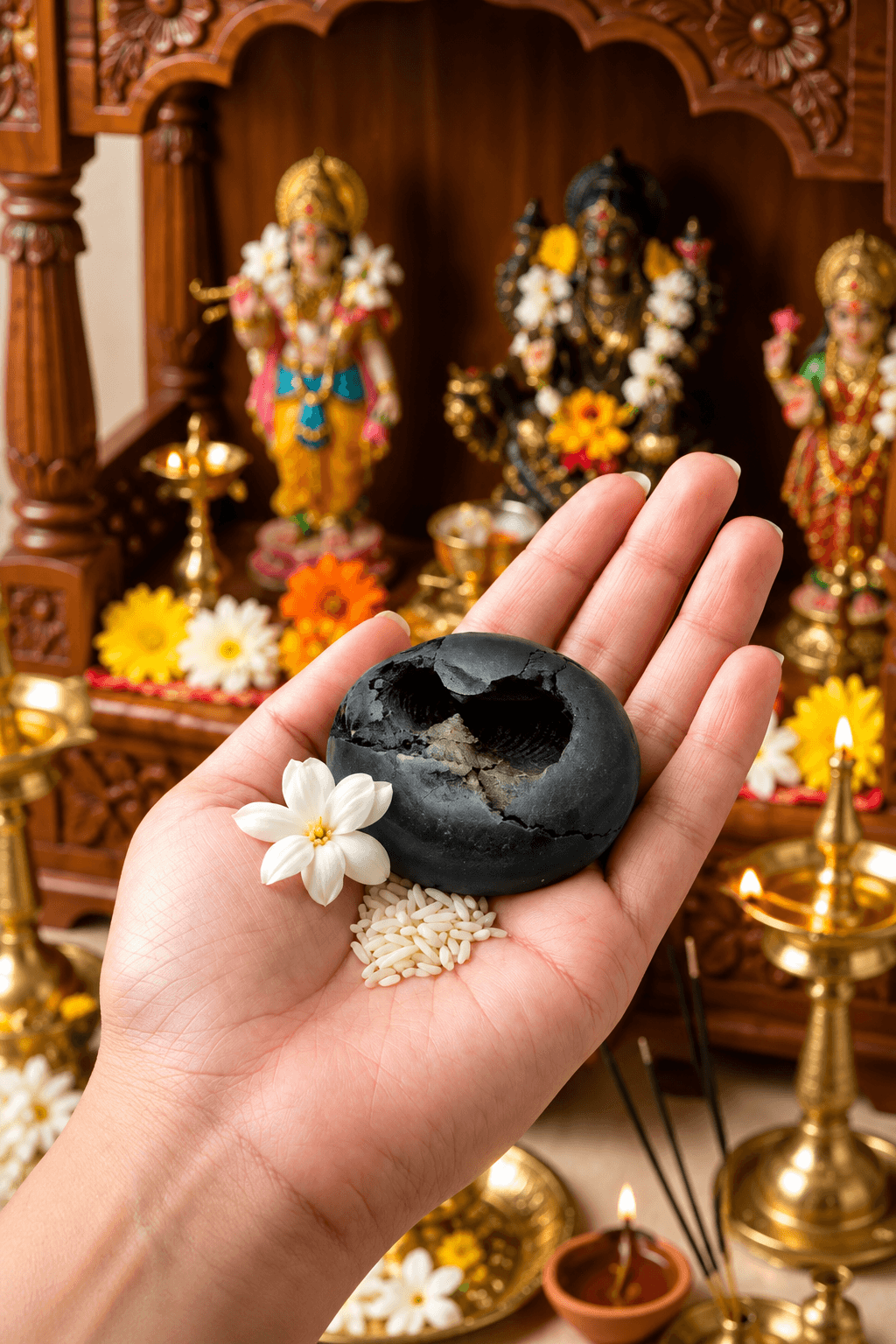
True Shaligram stones originate exclusively from one high-altitude riverbed in the world: the sacred Kali Gandaki River in the Mustang region of Nepal. While black river stones, rounded river pebbles, and carved slate rocks are sold globally, classical Vedic scriptures and modern geology agree that an authentic Shila cannot be found anywhere else on Earth.
From the sacred heights of Damodar Kunda down through the Muktinath valley, the waters of the Kali Gandaki cut through high-altitude Himalayan rock beds. This unique natural process carves and polishes ancient ammonite fossils into the sacred forms known and revered as Shaligram Shilas.
The Scriptural Origin: The Story of Tulsi and Lord Vishnu
The sacred origin of the Shaligram is detailed across the Skanda Purana, Padma Purana, and Brahmavaivarta Purana:
- The Divine Curse and Blessing: Due to the cosmic events surrounding the chastity of Devi Vrinda (Tulsi) and the defeat of the demon Jalandhar, Vrinda uttered a curse that Lord Vishnu turn into stone.
- The Promise of Eternal Presence: Recognizing her profound devotion and purity, Lord Vishnu accepted the curse as a divine blessing. He declared that he would forever reside as self-manifested sacred stones (Swayambhu) along the banks of the Gandaki River.
- The Eternal Companion: Vishnu declared that he would never accept worship without Tulsi leaves. To this day, authentic Shaligram worship is inseparable from sacred Tulsi.
Because this divine arrangement took place along this specific river valley, sacred literature explicitly limits true Shaligram Shilas to the Gandaki region.
The Geological Reality: Ancient Ammonites of the Tethys Ocean
Beyond spiritual lore, modern geology provides a fascinating, grounded explanation for why these stones exist only in this Himalayan stretch:
- The Ancient Tethys Sea: Over 150 million years ago during the Jurassic and Cretaceous periods, a vast marine waterway called the Tethys Ocean separated the Indian continent from the Asian landmass. Marine mollusks known as ammonites thrived on the seabed.
- Himalayan Mountain Uplift: As the Indian tectonic plate collided with the Eurasian plate, the ocean floor was crushed and pushed upward, forming the majestic Himalayan mountain range.
- Fossilization in Black Shale: The fossilized shells of these ancient creatures became embedded in high-altitude black shale deposits, known geologically as the Spiti Shales in northern Mustang.
- The River’s Carving Action: Glacial meltwaters from Damodar Kunda surge through these fossil beds, eroding the rock and washing the fossils downstream. Decades of tumbling against river grit naturally smooth the stones into the characteristic spherical or oval forms, exposing internal spirals (Chakras) without any human chiseling.
Key Sacred Locations Along the River
Authentic Shaligram stones are collected across a specific, revered geographical corridor:
- Damodar Kunda: A cluster of cold glacial lakes at an altitude of over 4,800 meters. Considered the ultimate spiritual source where the pure waters form.
- Muktinath (Chumig Gyatsa): A sacred pilgrimage valley revered by both Hindus and Buddhists, sitting at approximately 3,710 meters. Stones found downstream of Muktinath are considered supremely sanctified.
- Kagbeni and Jomsom: The river corridor where the riverbed widens, revealing naturally polished, river-smoothed Shilas exposed during lower seasonal water levels.
Why Stones from Other Rivers Are Not Shaligrams
Sellers often market dark, rounded rocks gathered from other Indian rivers—such as the Narmada, Yamuna, or Ganga as Shaligrams:
- Narmada River Stones (Bana Lingas): The Narmada River yields quartz-rich, smooth river stones revered specifically as Bana Lingas representing Lord Shiva, not Lord Vishnu.
- No Ammonite Sutures: Rivers outside the Himalayas do not run through Jurassic marine fossil formations. They lack the organic ammonite chamber sutures (Sudarshan Chakra) unique to Kali Gandaki shale.
- Carved Counterfeits: Commercial workshops often buy cheap river stones, machine-drill artificial spirals, and dye them black with chemical oils to mimic genuine Shilas.
Preserving Authenticity with Gemshakti
Because true Shaligram gathering is physically demanding and restricted to high-altitude Himalayan routes, finding an authentic stone requires complete supply-chain transparency.
At Gemshakti, every Shila is ethically hand-gathered directly from local river beds in Nepal, preserved in its natural, unaltered condition, and backed by a strict authenticity guarantee.
Bring home the divine heritage of the Himalayas with a verified Kali Gandaki Shaligram or explore a sacred Laxmi Narayan Shila to anchor your family altar in timeless tradition.