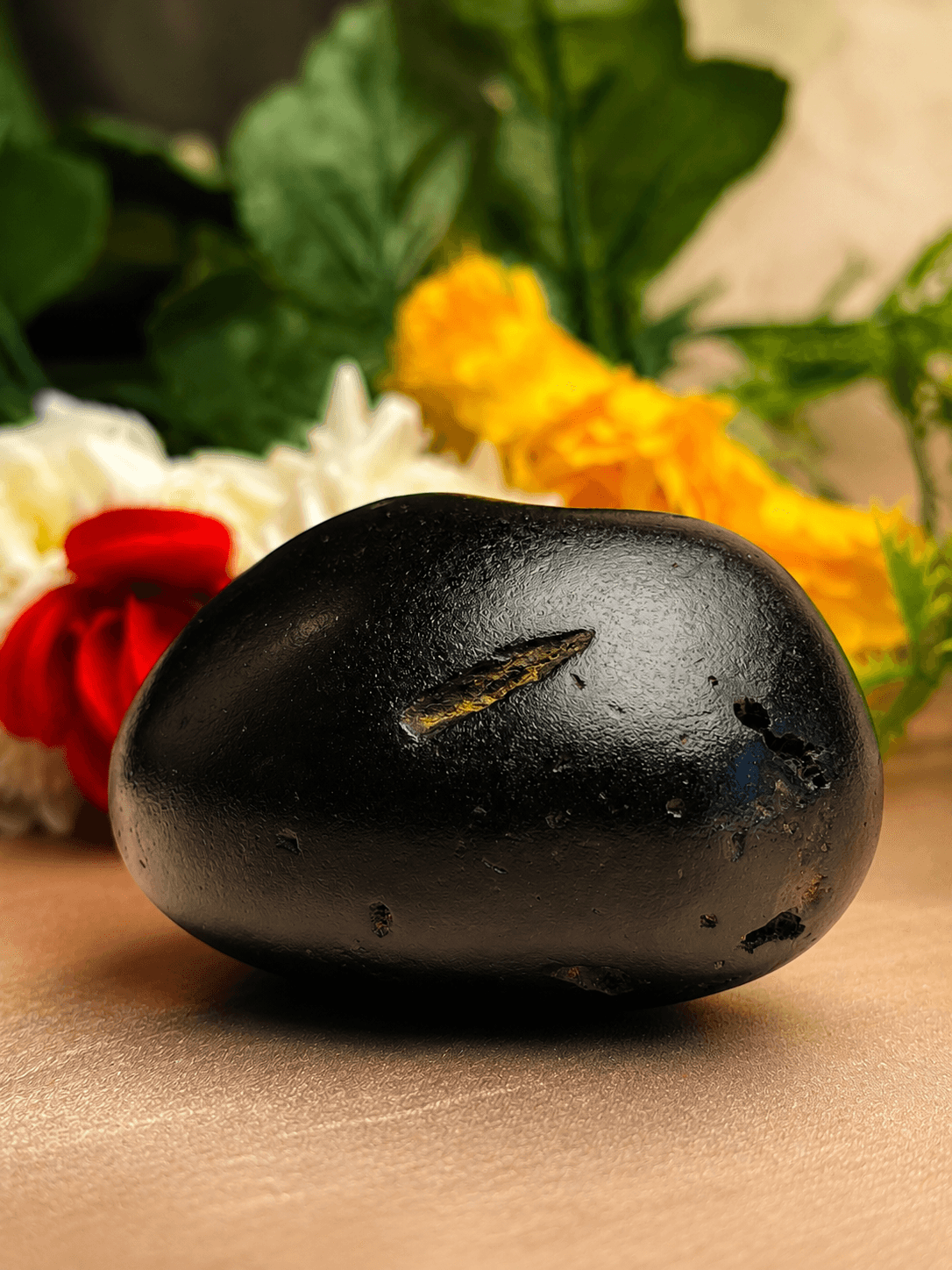
Rules for Keeping Shaligram at Home: Daily Puja & Dos and Don'ts
Rules for Keeping Shaligram at Home: Daily Puja & Dos and Don'ts
Keeping a Shaligram at home is one of the highest spiritual blessings in Sanatana Dharma, provided it is approached with basic daily reverence and cleanliness. Many devotees hesitate to welcome a sacred Shila due to fears of strict, unbreakable rules. In truth, Vedic scriptures emphasize loving devotion (Bhakti) and purity over rigid, exhausting rituals.
According to the Padma Purana and Skanda Purana, Lord Vishnu resides directly in the Shaligram. Honoring the Shila does not demand hours of complicated temple rites; a simple, sincere daily offering of pure water and fresh Tulsi leaves is all that is required to maintain its divine sanctity.
Who Can Keep and Worship a Shaligram at Home?
One of the most persistent myths is that ordinary householders, women, or non-priests cannot worship a Shaligram. Ancient scriptures clarify this plainly:
- Householders (Grihasthas): Keeping a Shaligram in a family home invites divine balance, settles internal disputes, and purifies negative energies.
- Anyone with a Pure Heart: Scripture confirms that any sincere devotee—regardless of gender, caste, or age—can offer prayers, water, and Tulsi to the Shila with loving intent and clean hands.
- Odd vs. Even Numbers: While temples often worship specific combinations, householders can easily keep a single Shaligram. If keeping multiple Shilas, traditional texts generally recommend even numbers (2, 4, 6) rather than three, with two being the most common pair (such as Laxmi and Narayan).
Step-by-Step Daily Puja Vidhi (Takes Just 5 Minutes)
You do not need an elaborate temple setup. Follow this clean, straightforward morning routine:
- Personal Purity First: Take a bath and wear fresh, clean clothes before approaching your altar (Puja Mandir).
- Snana (Sacred Bath):
- Place the Shaligram in a clean brass, copper, or silver vessel.
- Gently pour clean water (or Gangajal) over the Shila while chanting Om Namo Bhagavate Vasudevaya.
- You can collect this sacred water; it becomes Charanamrit, which the family can respectfully sip.
- Drying & Placement:
- Pat the Shila dry with a soft, clean cotton cloth reserved solely for puja.
- Place the Shila back on its seat—ideally on a small brass/copper stand, a silver plate, or a clean silk cloth.
- Offer Sandalwood (Chandan): Apply a drop of pure yellow sandalwood paste or gopichandan to the surface.
- The Indispensable Offering (Tulsi):
- Lord Vishnu never accepts worship without Tulsi. Place a single fresh Tulsi leaf on or beside the Shila.
- Deepam & Naivedya:
- Light a pure cow-ghee lamp or dhoop.
- Offer a small piece of jaggery, rock sugar (mishri), or fresh fruit.
- Concluding Prayer: Fold your hands, chant the Vishnu Gayatri or Maha Mantra, and pray for wisdom, peace, and household well-being.
Essential Dos: Best Practices for Your Home
- Place in the Northeast (Ishan Kon): Seat the Shila in the Northeast or East section of your house or inside your home mandir facing East or North.
- Daily Water Touch: The Shila should ideally receive water every day. If traveling for short periods, ensure it is placed in a clean water bowl or entrusted to a family member.
- Tulsi is Mandatory: If you do not have fresh flowers, it does not matter—Tulsi leaves alone are sufficient to complete the entire puja.
- Maintain Environmental Cleanliness: Keep the altar area dusted, well-ventilated, and free of clutter or non-sacred items.
Essential Don'ts: Mistakes to Avoid
- Never Touch with Dirty or Unwashed Hands: Never handle the Shila immediately after eating, returning from outside, or without washing your hands.
- Do Not Drill or Glue: Never drill holes to make jewelry or use synthetic adhesives/resins on a Shaligram. It must remain in its organic river-smoothed condition.
- Avoid Impure Offerings: Never offer stale food, non-vegetarian items, alcohol, or artificial perfumes anywhere near the altar.
- Do Not Keep Broken Factory Replicas: While a naturally cracked river fossil retains full sanctity, artificially cracked cement casts or machine-carved fake stones carry negative energy and should not be kept.
- Do Not Stress Over Perfection: Devotion supersedes ritual perfection. If you miss an offering due to illness or emergency, simply offer mental prayers (Manasa Puja) and resume with reverence when possible.
Sacred Purity Begins with Genuine Origin
The spiritual benefits of daily puja apply exclusively to natural ammonite fossils sourced directly from the holy waters of the Kali Gandaki River in Muktinath, Nepal. Machine-carved black marble or cast-resin replicas have no spiritual presence and will not respond to your daily devotion.
At Gemshakti, every Shila is ethically hand-gathered from Muktinath, verified for natural chakra formations, and backed by a strict authenticity guarantee.
Bring sacred tranquility to your home altar with a verified, hand-selected Authentic Kali Gandaki Shaligram or explore a sacred Laxmi Narayan Shila for lifelong family blessings.