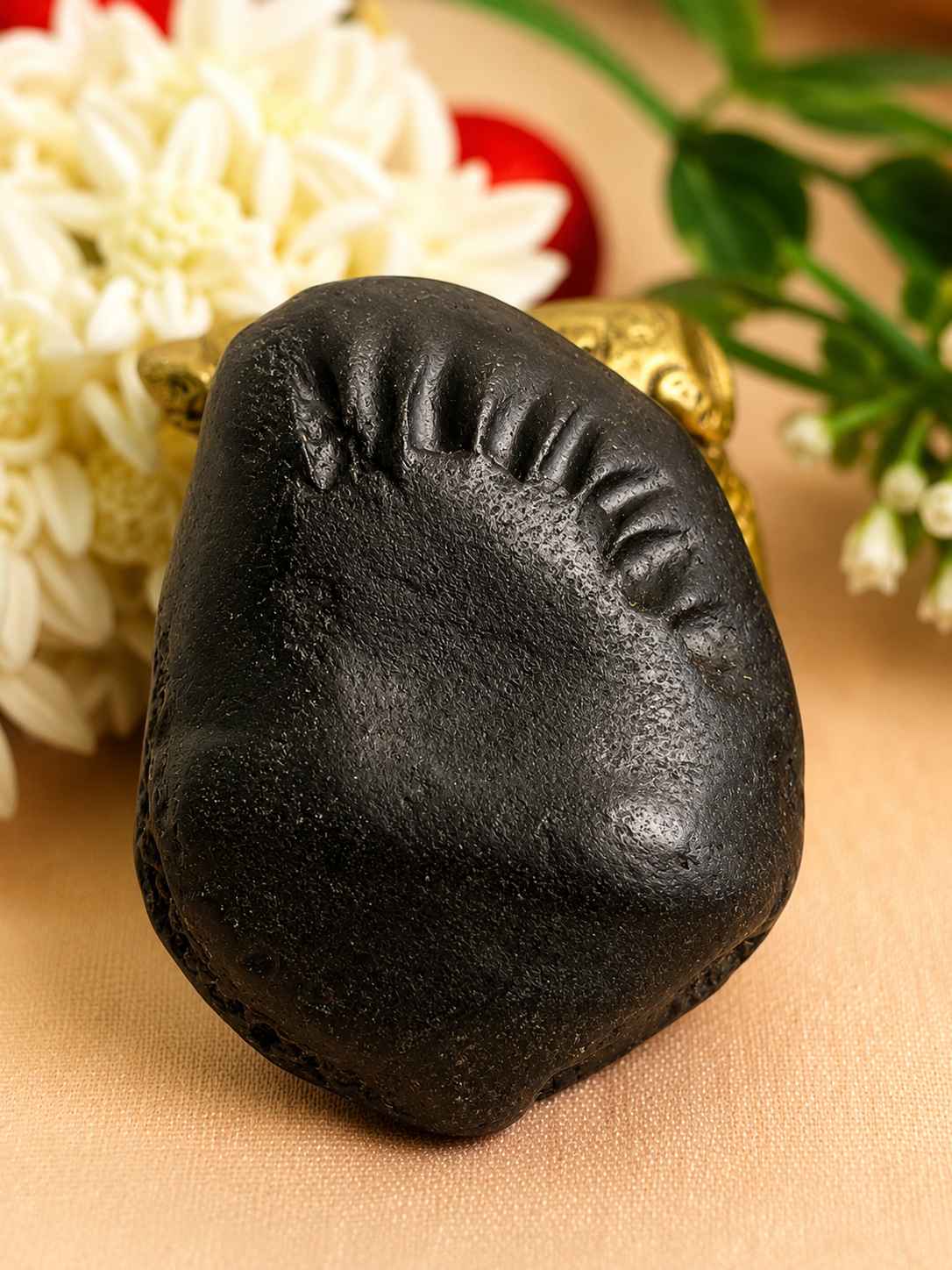
Tulsi and Shaligram: The Sacred Bond, Vivah Vidhi & Benefits
Tulsi and Shaligram: The Sacred Bond, Vivah Vidhi & Benefits
In Sanatana Dharma, the worship of a Shaligram Shila is considered incomplete without the sacred Tulsi leaf. According to the Padma Purana and Brahmavaivarta Purana, Lord Vishnu does not accept offerings of gold, jewels, or elaborate feasts if Tulsi is missing, yet He is instantly satisfied by a single fresh Tulsi leaf offered with sincere devotion over the sacred Shila.
The eternal connection between Tulsi (Vrinda Devi) and the Shaligram stone represents one of the most profound spiritual unions in Vedic literature. Understanding this bond unlocks the full spiritual potency of daily home worship and demystifies the auspicious annual ritual of Tulsi Vivah.
The Scriptural Origin: The Story of Vrinda and Lord Vishnu
The inseparable relationship between Tulsi and Shaligram is grounded in the Puranic history of Vrinda Devi and demon king Jalandhar:
- Vrinda's Unwavering Chastity: Jalandhar had grown immensely powerful, terrorizing the three worlds. Because of his devoted wife Vrinda’s pure spiritual fidelity, he remained invincible even to celestial forces.
- The Divine Intervention: To preserve cosmic balance, Lord Vishnu assumed the appearance of Jalandhar before Vrinda. When she unknowingly mistook Vishnu for her husband, the shield of invincibility broke, allowing Lord Shiva to defeat the demon.
- The Curse and the Blessing: Grieved by this deception, Vrinda cursed Lord Vishnu to turn into a stone impassive and unyielding. Recognizing her pure devotion, Lord Vishnu humbly accepted her curse and transformed into the self-manifested Shaligram stone on the banks of the Kali Gandaki River.
- The Eternal Promise: Lord Vishnu granted Vrinda the blessing to manifest as the holy plant Tulsi, declaring that she would remain his eternal spiritual consort. He promised that He would never dwell anywhere without her presence and would ceremonially marry her every year.
Why Must Shaligram Be Worshipped with Tulsi?
Traditional texts outline explicit benefits and spiritual rules regarding this sacred pair:
- Mandatory Offering: The Devi Bhagavata Purana explains that Lord Vishnu dwells eternally in the roots and leaves of the Tulsi plant, while Goddess Lakshmi resides within the Shila. Offering Tulsi leaves onto the Shaligram activates this harmonious polarity.
- Instant Absolution: It is said that water sanctified by touching both a Shaligram and a Tulsi leaf possesses the cleansing power of all holy tirthas (sacred pilgrimage rivers) combined.
- Protection of the Household: Keeping an authentic Shaligram seated near a flourishing Tulsi plant creates a powerful spiritual sanctuary that dissolves negative energies, settles family strife, and shields against evil eye (Drishti).

Tulsi Vivah: The Annual Divine Marriage
Every year during the auspicious month of Kartika specifically on Devuthani Ekadashi or Dwadashi (shortly following Diwali) millions of devotees perform Tulsi Vivah, the ceremonial wedding of Goddess Tulsi and Lord Vishnu in His Shaligram form.
Spiritual Benefits of Performing Tulsi Vivah at Home:
- The Merit of Kanyadaan: Scriptural commentaries note that performing Tulsi Vivah bestows the high spiritual merit equivalent to performing Kanyadaan (the giving away of a daughter in marriage).
- Marital Harmony & Delay Removal: Unmarried devotees perform the ceremony to clear obstacles in finding a righteous life partner, while married couples observe it to resolve marital conflicts and ensure long-term harmony.
- Fulfillment of Desires: Childless couples traditionally pray during this ceremony for righteous offspring and lineage prosperity.
Simple Tulsi Vivah Vidhi at Home
You do not need an elaborate temple setup to invite the blessings of this divine union:
- Decorate the Altar: Place two small platforms (chowkis) side by side. Place a potted Tulsi plant on the right (draped in a red cloth as the bride) and the Shaligram Shila on the left (seated on yellow cloth as the groom).
- Adornment: Decorate the Tulsi pot with vermilion (Sindoor), turmeric (Haldi), and bangles. Anoint the Shaligram with pure yellow sandalwood paste (Chandan).
- The Sacred Thread (Gathbandhan): Tie a sanctified red-yellow thread (Mauli) connecting the Shaligram and the Tulsi plant to symbolize the marital knot.
- Offerings & Garlands: Offer small flower garlands to both, followed by fresh fruits, sweets, sugarcane pieces, and puffed rice.
- Chant Mantras: Recite the Vishnu Sahasranama or chant Om Namo Bhagavate Vasudevaya with pure intent.
- Aarti & Pradakshina: Light a pure cow-ghee lamp, sing the Tulsi and Vishnu Aarti, and perform four gentle circumambulations around the sacred setup.
How to Keep Them Together Daily
- On the Altar: Keep your Shaligram inside your home mandir and place 1–2 freshly picked Tulsi leaves on top of the stone during your morning prayer.
- Near the Plant: If you have an altar near your living courtyard or balcony garden, place the Shila on an elevated brass stand beside the Tulsi planter. Ensure the stone is shielded from direct rain and dust.
- Etiquette for Plucking: Never pluck Tulsi leaves after sunset, during Ekadashi, or with unwashed hands. Always ask for Devi Tulsi’s permission with a humble heart before plucking.
Grounded in Sacred Nepalese Origin
The eternal promise between Lord Vishnu and Vrinda was set along the banks of Nepal's sacred Kali Gandaki River. Worshipping genuine river-formed ammonite Shilas alongside natural Tulsi preserves this authentic scriptural lineage in your home.
At Gemshakti, every Shila is ethically hand-gathered directly from Muktinath, Nepal, preserving its natural chakra spirals in pure, uncarved condition.
Complete your home altar with an authentic, verified Kali Gandaki Shaligram or welcome divine balance with a hand-selected Laxmi Narayan Shila.